
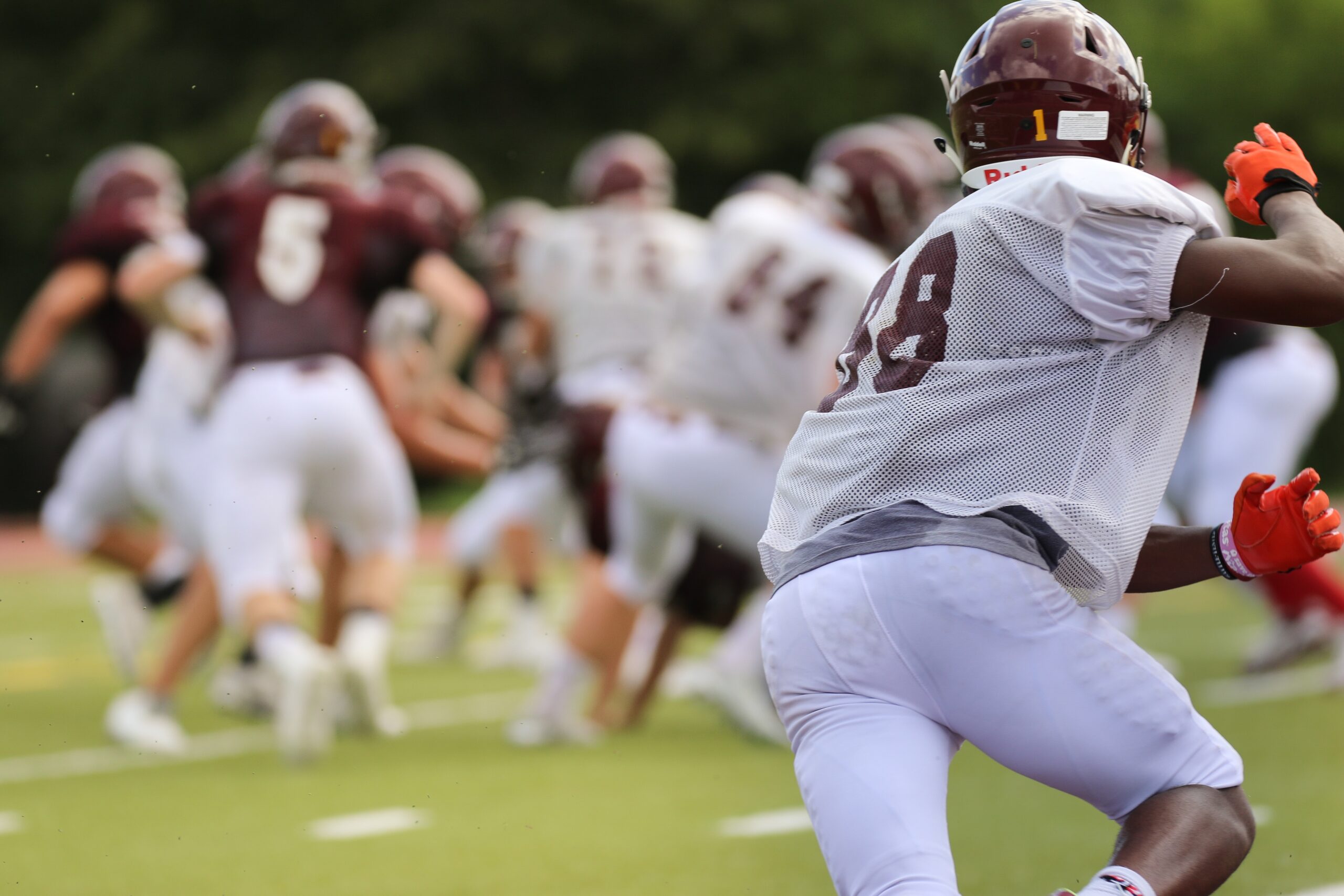

Tackles for loss (TFL) might not get the same attention as interceptions or sacks, but they are one of the most disruptive plays in football. Any time a defender brings down an offensive player behind the line of scrimmage, the result is a tackle for loss — and those negative plays can completely change a drive, possession, or even a game.
Here’s a simple breakdown of what a TFL is, how it affects gameplay, and why it’s one of the most valuable defensive stats in football.
What Counts as a Tackle for Loss?
A tackle for loss happens when a defender stops a ball carrier before they reach the line of scrimmage, resulting in lost yardage for the offense.
Common plays that result in a TFL
-
A running back getting stuffed in the backfield
-
A quarterback tackled on a designed run
-
A wide receiver taken down on a jet sweep or reverse
-
A blown-up screen play
As long as the ball carrier is tackled behind the original line of scrimmage, it counts as a TFL — even if it’s not a passing play.
TFL vs. Sack: What’s the Difference?
Sacks and TFLs are related, but not identical.
A sack occurs when:
-
The quarterback is tackled behind the line
-
While attempting to pass or holding the ball in the pocket
A tackle for loss occurs when:
-
ANY offensive player is tackled behind the line
-
On a run or non-passing play
Every sack is also a TFL, but not every TFL is a sack.
This is why the two stats are tracked separately — sacks highlight pass rushing, while TFLs show a defender’s overall backfield disruption.
Why Tackles for Loss Matter
Negative plays are drive killers. A single TFL can:
Create long-yardage situations
2nd-and-10 is manageable.
2nd-and-15 dramatically shrinks an offensive playbook.
Force turnovers or punts
Teams behind the chains:
-
become more predictable
-
pass more often
-
take more risks
Shift momentum
A big TFL can energize an entire defense — especially on:
-
3rd-and-short
-
red-zone plays
-
fourth-down attempts
Defenses are built around stopping forward progress, and TFLs are the most direct way to do it.
Who Gets TFLs? (Not Just Defensive Linemen)
While defensive linemen record many of them, TFLs come from every level of the defense.
Defensive Line
-
Penetrate gaps
-
Blow up blocking assignments
-
Disrupt runs before they start
Linebackers
-
Shoot gaps on inside runs
-
Clean up missed blocks
-
Excel in run fits and blitz packages
Defensive Backs
Yes — DBs get TFLs too, especially:
-
on corner or safety blitzes
-
in run support
-
against perimeter plays like screens or sweeps
Modern defenses prioritize speed and versatility, which has increased TFLs outside the front four.
TFLs in Football Stats and Evaluation
Tackles for loss are often used to measure:
-
backfield disruption
-
run-stopping ability
-
defensive aggressiveness
They are tracked separately from:
-
Sacks (quarterback-specific)
-
Combined tackles (total stops, not yardage impact)
-
Interceptions and forced fumbles (turnovers rather than yardage loss)
A player can have high tackle numbers but very few TFLs — meaning they make tackles after the offense gains yards.
TFLs highlight defenders who stop plays before they develop, which is a much more valuable skill.
Notable Modern TFL Producers
Several NFL defenders have built their careers on wrecking plays in the backfield.
Aaron Donald (Los Angeles Rams)
One of the most dominant interior defenders ever:
-
double-digit TFLs in multiple seasons
-
elite burst and power
-
consistently disrupts blocking schemes
T.J. Watt and Khalil Mack
Both thrive as edge players who:
-
create pressure
-
win one-on-one matchups
-
rack up sacks and TFLs
Emerging Young Stars
Players like Will Anderson Jr. have shown the ability to generate backfield pressure early in their careers — a major predictor of long-term defensive success.
TFLs aren’t just a stat — they are a measured sign of impact and playmaking ability.
Final Thoughts
A tackle for loss may seem like a simple defensive stop, but its effect reaches far beyond the box score. TFLs push offenses backward, change strategy, create long-yardage situations, and shift momentum instantly. Whether it comes from a defensive lineman blowing up a run or a cornerback attacking a screen, a TFL is one of the most valuable plays in football.
Understanding tackles for loss not only helps explain defensive performance — it highlights the players who consistently change the game before the offense ever gets moving.