
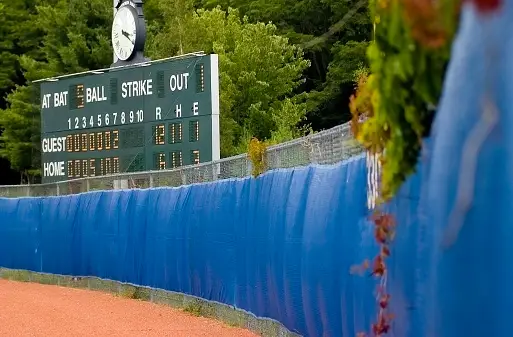

If you’ve ever wondered how a player goes from a small-town ballpark to the bright lights of the big leagues, you’re asking about one of baseball’s most fascinating structures — the MLB farm system. It’s the heartbeat of player development in Major League Baseball, a network that shapes raw talent into professional athletes ready for the show.
Contents
What Is the MLB Farm System?
At its core, the farm system is a development pipeline of minor league affiliates owned or controlled by each Major League Baseball team. Every MLB club has multiple “farm teams” — minor league clubs that exist to train, evaluate, and prepare players for the majors.
Players are drafted, signed internationally, or acquired via trade, and then assigned to a level of the farm system that matches their experience and skill. From there, they climb (or sometimes fall) based on performance, potential, and team needs.
Think of it as baseball’s version of a corporate ladder — with Triple-A at the top and rookie ball as the entry-level position.

The Minor League Levels Explained
The current structure of the minor leagues is streamlined compared to the sprawling system of the past. After MLB reorganized Minor League Baseball in 2021, most teams now operate across four primary levels:
-
Rookie & Complex Leagues
-
Where newly drafted or international players begin.
-
Focused on fundamentals — adjusting to professional life, learning the playbook, and developing consistency.
-
Games are often played at spring training complexes with limited fan attendance.
-
-
Single-A (Low-A & High-A)
-
The first taste of full-season baseball.
-
Low-A players are still raw, often working on mechanics and discipline.
-
High-A players are typically more polished college draftees or promising prospects advancing quickly.
-
-
Double-A
-
The level where prospects begin to separate themselves.
-
Pitchers face hitters with major-league plate discipline, and hitters start to encounter professional-level velocity and breaking pitches.
-
Many team executives consider Double-A the true test of whether a player is “for real.”
-
-
Triple-A
-
The final step before the majors.
-
Rosters often include top prospects, veterans rehabbing from injury, and “depth” players who can be called up at a moment’s notice.
-
Travel, competition, and pressure mirror MLB conditions closely.
-
Each promotion through the ranks represents not just improved performance, but maturity, adaptability, and readiness for the next challenge.
Why It’s Called a “Farm System”
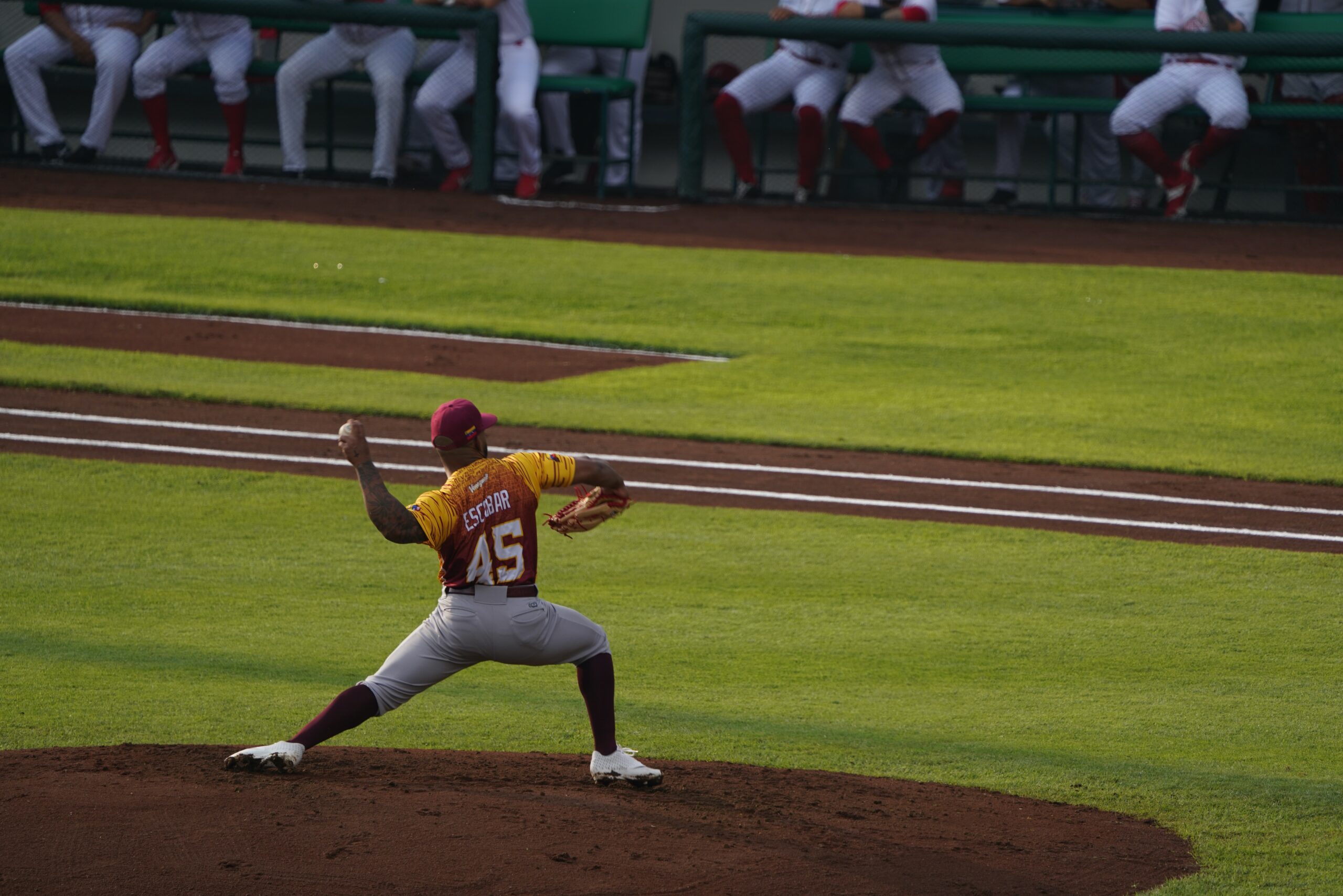
The term farm system dates back to the 1920s, when legendary St. Louis Cardinals executive Branch Rickey — who later signed Jackie Robinson — described developing players “on the farm” like crops being grown for future harvest.
Rickey’s model became so successful that other teams quickly followed, creating formal relationships with independent minor league clubs. By the 1940s, every MLB team had its own network of farm teams — a structure that remains the foundation of baseball today.
How Players Move Through the System
Movement within the farm system isn’t strictly linear. Players can be promoted or demoted depending on performance, injuries, and organizational needs.
A top prospect might rise from High-A to the majors in one season, while another player could spend years grinding through Double-A before getting a shot.
Teams evaluate players on more than just statistics — plate approach, defensive versatility, mental toughness, and coachability all matter. Scouts, analytics staff, and player development directors collaborate to make these decisions.
Example: When a Triple-A infielder is called up because the big-league second baseman lands on the injured list, the organization might temporarily promote a High-A player to fill the chain reaction below him. That fluidity keeps hundreds of players ready for opportunity every single day.
The Role of Analytics and Technology
Modern farm systems look nothing like those of the past. Advanced technology now shapes nearly every aspect of player development:
-
TrackMan and Statcast data measure velocity, spin rate, and launch angle in minor league games.
-
Biomechanics labs help refine pitching motions and swing paths.
-
Wearable sensors monitor workload and recovery.
-
Video analysis platforms let players compare their form to MLB benchmarks instantly.
Organizations like the Dodgers, Rays, and Astros have become leaders in blending analytics with traditional scouting to create development machines that consistently produce major-league contributors.
Why the Farm System Matters
The farm system is more than a proving ground — it’s the engine that keeps MLB running.
Because there’s no salary cap in baseball, developing talent internally is often the most efficient (and profitable) way to build a winning team.
The Rays and Guardians, for example, compete annually on modest payrolls because their farm systems churn out big-league contributors at a steady pace. Meanwhile, even big-spending teams like the Dodgers and Yankees rely on their pipelines to balance expensive free agents with homegrown stars.
The Dream That Drives It All
For the players, the farm system is both an opportunity and a test.
Most minor leaguers earn modest pay, endure long bus rides, and play in front of small crowds — all in pursuit of a dream that only a fraction will reach.
But every season, a few players make the leap. They step onto a major-league field for the first time, knowing they’ve climbed one of sports’ toughest ladders.
That’s the beauty of the MLB farm system: it keeps hope alive, connecting every dusty infield and dimly lit locker room to the grand stage of baseball’s biggest moments.