
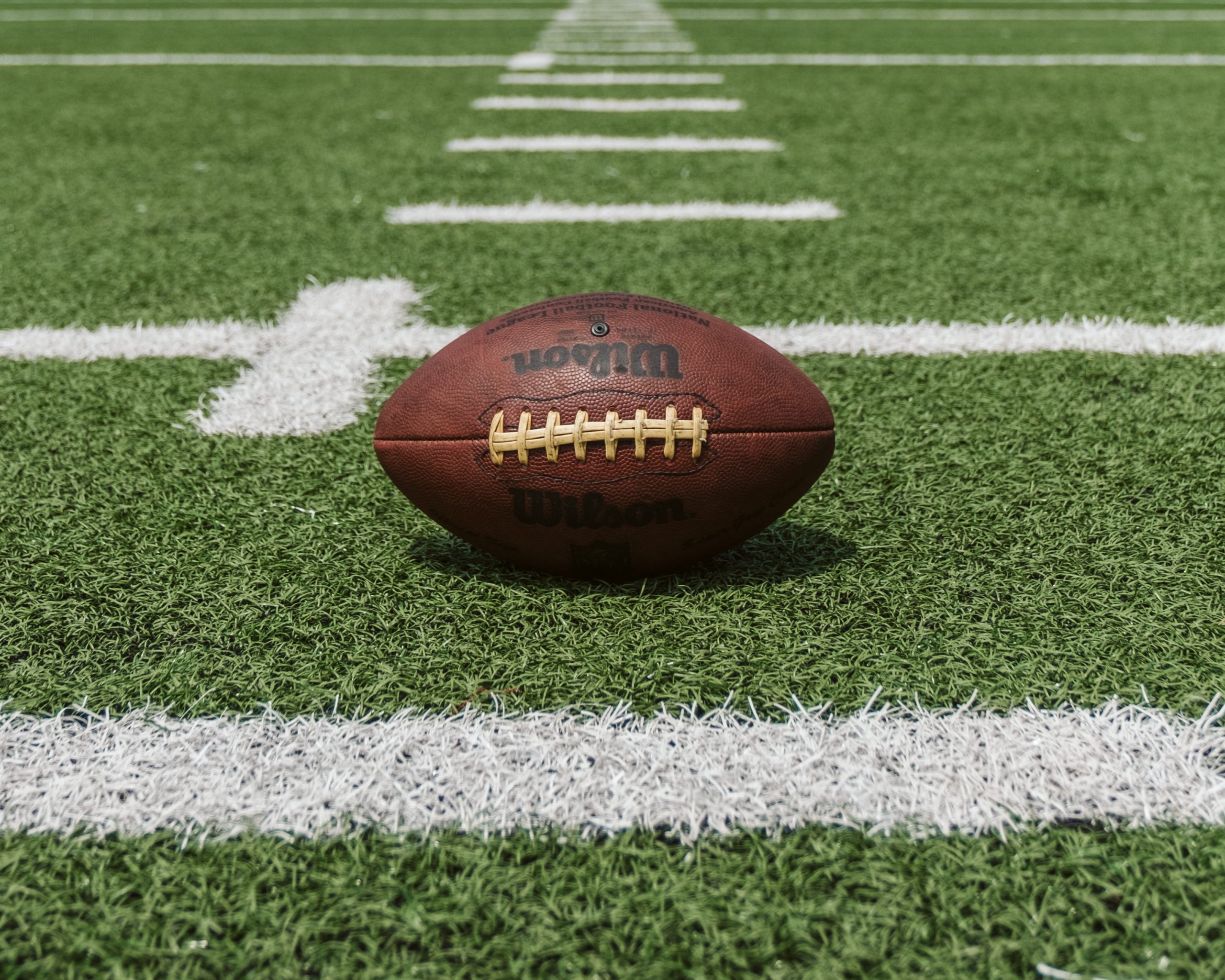

Turn on any NFL game and the ball looks almost black in the quarterback’s hand, a shade or two darker than the ball you threw in the backyard or the striped ball you see on Saturdays. That is not a camera trick and it is not a different color of leather. NFL footballs are darker because of what happens to them after they leave the factory.
The short answer: every NFL game ball is a Wilson “Duke” made from Horween cowhide, and each team’s equipment staff spends days breaking in new balls with brushes, conditioners, water and rubbing mud. That process strips the factory finish and darkens the leather, which is why a game ball on television looks nothing like the same model on a store shelf.
Why the Ball Gets Darker
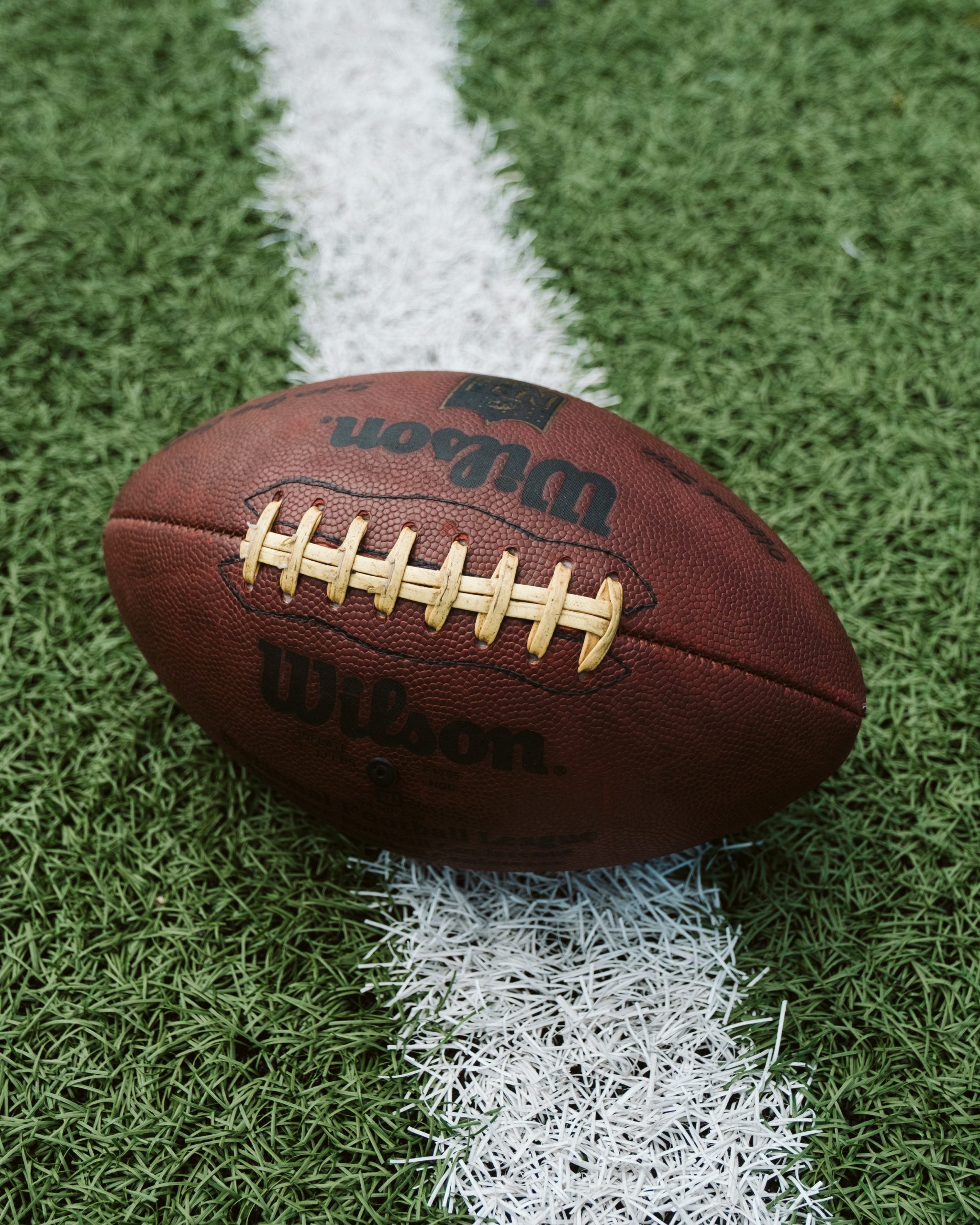
A brand new Duke is a medium tan with a slightly waxy, slick surface. Quarterbacks hate it. So the equipment staff puts every new ball through a break in routine that mimics months of use, and each step takes the color darker.
The ball brush
A stiff bristle brush flattens the raised pebble grain and takes off the factory top coat. Flattening the grain improves grip and makes the surface reflect less light, so the ball reads darker even before anything is rubbed into it.
Conditioners and shaving cream
Most equipment rooms work a leather conditioner into the ball, and some use plain shaving cream, which lifts some of the red brown dye out of the surface and leaves a deeper, more even tone. Here is the Chargers’ equipment staff walking through their version of the process:
Rubbing mud
The same Lena Blackburne rubbing mud that every Major League Baseball umpire uses on new baseballs shows up in NFL equipment rooms. Worked into the leather and then wiped off with a wet towel, it removes the last of the slickness and leaves the deep chocolate color you see on Sundays. If a ball looks unusually dark on television, it was almost certainly mudded.
Water, heat and repetition
Balls get wet down, dried, brushed again, thrown in practice, and cycled through the routine for days or weeks before a quarterback approves them. Eli Manning’s footballs with the Giants famously took months of preparation. The end result is a ball that feels years old the first time it is snapped.
Why Teams Are Allowed to Do This
Until 2006 the home team supplied the game balls, and visiting quarterbacks often played with balls prepared to someone else’s taste. Tom Brady and Peyton Manning lobbied the league to change that, and since 2006 each team brings 12 of its own prepared balls to every game, with 12 backups in outdoor stadiums. Officials inspect and gauge them about two hours before kickoff.
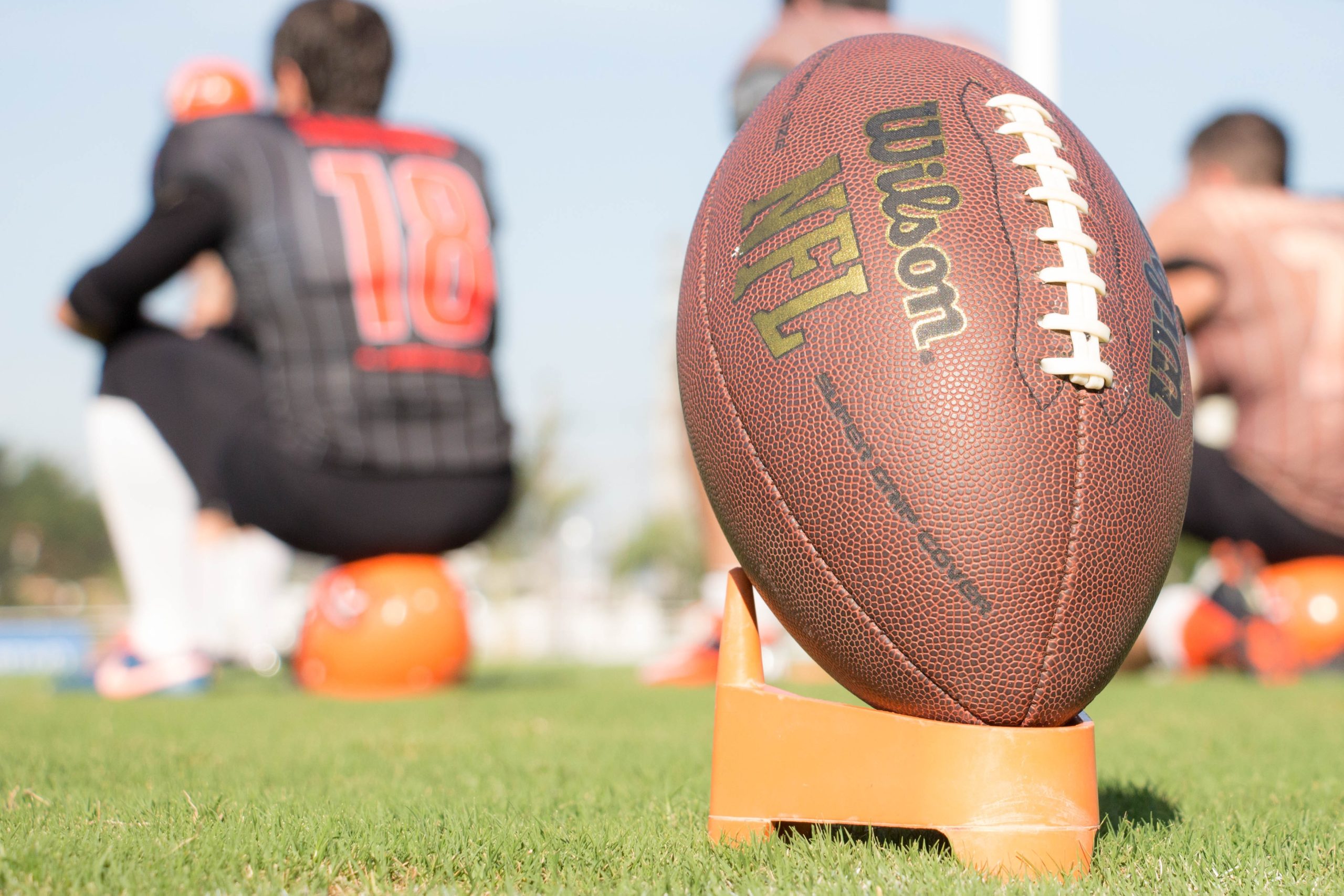
Kicking balls are the exception. The six “K balls” used for kickoffs, punts and field goals arrive sealed from Wilson and are opened in the officials’ locker room, so kickers work with a much lighter, slicker ball than the quarterback does. Watch closely and you can see the color difference on a punt.
The Leather Itself
Every Duke is cut from cowhide tanned by Horween Leather Company in Chicago, the only tannery supplying the NFL. Arnold Horween, a former NFL player and Harvard coach, developed the embossed pebble pattern and the tanning recipe that gives the ball its tack. The leather is shipped to Wilson’s factory in Ada, Ohio, where the balls have been hand made since 1955.
Horween’s tannage is heavier on oils and waxes than the leather used on most consumer and college footballs. That is why an NFL ball darkens so readily when it is worked: there is more finish to strip and more oil underneath to bring to the surface. Consumer replicas of the Duke use a similar look but a different, lighter tannage, which is why they never quite match what you see on television.
NFL Ball vs. College Ball
| Spec | NFL (Wilson Duke) | College (NCAA rule) |
|---|---|---|
| Length | 11 to 11.25 in | 10.875 to 11.4375 in |
| Long circumference | 28 to 28.5 in | 27.75 to 28.5 in |
| Short circumference | 21 to 21.25 in | 20.75 to 21.25 in |
| Weight | 14 to 15 oz | 14 to 15 oz |
| Pressure | 12.5 to 13.5 psi | 12.5 to 13.5 psi |
| Stripes | None | Two white stripes |
| Maker | Wilson only | Wilson, Nike, Adidas, Under Armour by school |
The size ranges overlap almost completely, so the idea that a college ball is a full size smaller is a myth. The real differences are the stripes, the finish and the fact that college balls are not broken in nearly as aggressively. Pressure limits are the same in both, which is why the Deflategate investigation centered on a 12.5 psi floor. Youth balls are a different story; see our football sizes by age guide.
Where the Nicknames Come From
The Duke. Stamped on every NFL ball. Wilson named it in 1941 after Wellington Mara, whose nickname was Duke, as a favor to his father Tim Mara, the Giants’ founder. The name came off the ball in 1970 and returned in 2006, the season after Wellington Mara died.
Pigskin. Early footballs were inflated pig bladders wrapped in leather. The ball has been cowhide for well over a century, but the name never left.
The rock. Player slang that made it to broadcasts. A running back totes the rock; a receiver wants the rock.
How the Ball Is Made
Four leather panels are cut, embossed, stitched inside out, turned, laced by hand and fitted with a bladder. Wilson makes roughly 700,000 footballs a year in Ada, and every Super Bowl ball is made the night the conference championship games end.
The Bottom Line
The NFL football is darker because it has been worked over. The leather starts as the same tan Horween hide you can buy in a store, then a team’s equipment staff brushes, conditions, muds and wets it until the quarterback is happy, and every one of those steps takes the color deeper. The league lets teams do it because a slick new ball means more fumbles, more interceptions and fewer points, and nobody wants that.