

Every Home Run Derby, the same mid-broadcast question sweeps living rooms: wait, who’s that pitching? The answer is one of the event’s best quirks — there is no assigned pitcher. Every hitter brings his own: a batting-practice coach he’s seen ten thousand pitches from, a bench coach, a personal hitting guru, a brother, and in the most famous cases, Dad. Bryce Harper won the 2018 Derby in Washington with his father Ron throwing every pitch — and this year at Citizens Bank Park, Harper’s arm is Dino Ebel, the most in-demand Derby pitcher alive.
Here’s everything about the Derby’s most anonymous crucial job: who does it, why the choice matters more than fans think, and the arms behind Monday’s field.
The chart below covers the rules, the famous pitchers, and why the job is harder than it looks. Take a look, then we’ll break it all down.
Baseball’s Best Anonymous Job
The Derby pitcher occupies a strange, wonderful niche: the most-watched batting-practice thrower on Earth, doing a job with no official title, no standardized selection, and total invisibility right up until the camera finds him. The event’s only real requirement is the hitter’s trust, which is why the roster of Derby arms reads like a hitter’s inner circle — the bullpen coach who throws his daily BP, the bench coach who knows his tempo (Dave Jauss filled the role for both of Pete Alonso’s wins), the personal hitting guru, and on the best nights, family. Nothing tops 2018: Bryce Harper, in his home park in Washington, down 18-9 to Kyle Schwarber with a minute left, with his father Ron — the former ironworker who built his son’s swing — feeding him pitches so fast that Harper hit nine homers in his final 47 seconds, tied it on his last regulation swing, and won 19-18 in bonus time. Ron’s rapid-fire feeding (throwing before the previous ball had landed, technically against Derby convention) even spawned a corps of aggrieved ‘Derby truthers’ — the only controversy in the event’s history whose villain was somebody’s dad. The professionalized version of that trust is Dino Ebel, the longtime Dodgers coach whose metronomic location has made him the event’s most-requested arm and the closest thing the job has to a celebrity — and the arm Harper has recruited for Monday night in Philadelphia — his first Derby since 2018 — in a hometown field that also includes Kyle Schwarber, his teammate and the man he beat 19-18 that night. Same rivals, same stakes, new dad: the sport’s most famous BP thrower now feeds its most theatrical slugger.
Why the Modern Format Made the Job Matter
For years the Derby pitcher just had to throw fast and often — the timed format rewarded machine-gun feeding, and hitters hacked at anything close. The current format inverted that: with fixed swing counts (20 in round one, 15 and 15 after, no clock) every pitch is inventory, a ball at the knees is a squandered asset, and the pitcher’s location and rhythm became as strategic as the hitter’s spray chart. Good Derby arms now manage tempo the way caddies manage a round — feeding quickly when the hitter’s locked in, slowing the pace before bonus swings, holding the grooved spot under lights, on national TV, with a million dollars and a very tired slugger depending on a 60-mph fastball arriving belt-high, middle-in, fifty consecutive times. It’s why the same few names keep getting hired, why hitters publicly credit their arms after wins, and why the mid-broadcast cutaway to a sweating coach behind an L-screen is one of the Derby’s reliable annual images. Monday night, when someone starts taking pitches with the round on the line, watch the mound instead of the box — that’s where the pressure actually lives.
Final Word
Who pitches in the Home Run Derby: whoever the hitter trusts most — there’s no assigned arm, so the job goes to daily BP throwers, bench coaches, personal gurus, brothers, and dads, throwing grooved ~60-mph fastballs from behind an L-screen with location as the entire skill, made newly strategic by the fixed-swing-count format where every wasted pitch burns inventory. The canon: Ron Harper’s 2018 father-son masterpiece, Dave Jauss behind Alonso’s two titles, and Dino Ebel — the job’s one celebrity — throwing to Bryce Harper on Monday night in Philadelphia. When the camera finds the mound mid-round, now you’ll know exactly what you’re watching.
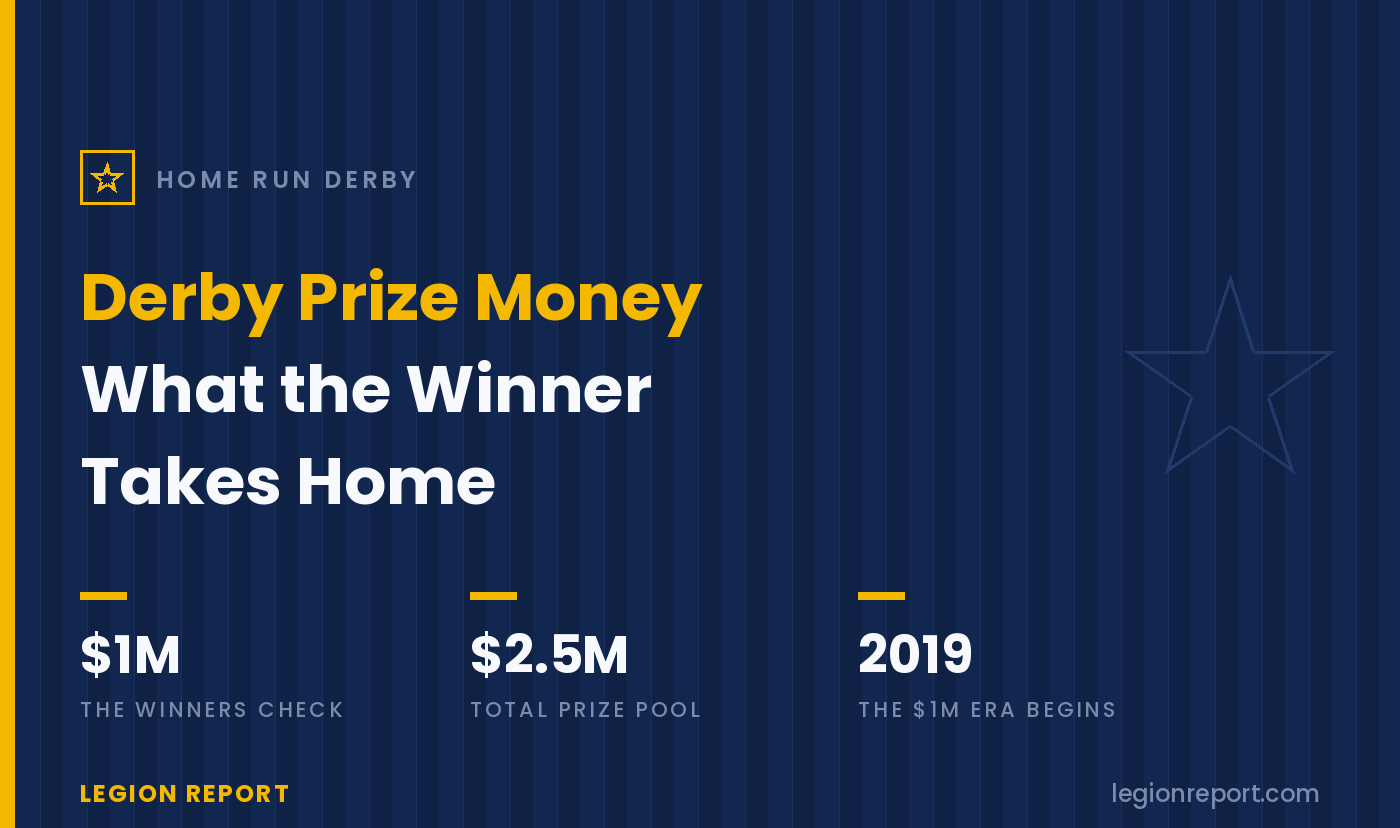
The swing-count format that changed the job is in the Home Run Derby rules, explained, Monday’s hitters are in the 2026 Derby field tracker, and the money on the line is in Home Run Derby prize money.